Does Citrus Bergamot Lower ApoB? The Trials Are Thinner Than the Hype
Does citrus bergamot lower ApoB? The short answer is that a few small trials say yes, and the biggest pooled analysis to date says you should not trust the headline number it produced. Both things are true at once, and the gap between them is where most of the marketing lives.
The headline number is striking. A 2026 meta-analysis put the average drop in LDL cholesterol at about 40 mg/dL, which is the kind of change people associate with a prescription drug. Then the same authors graded the certainty of that result as low to very low. That second sentence rarely makes it onto the label.
So the useful question is narrower. Who would sensibly try bergamot, how would they know if it worked, and who should skip it and go straight to a doctor?
What Is Citrus Bergamot?
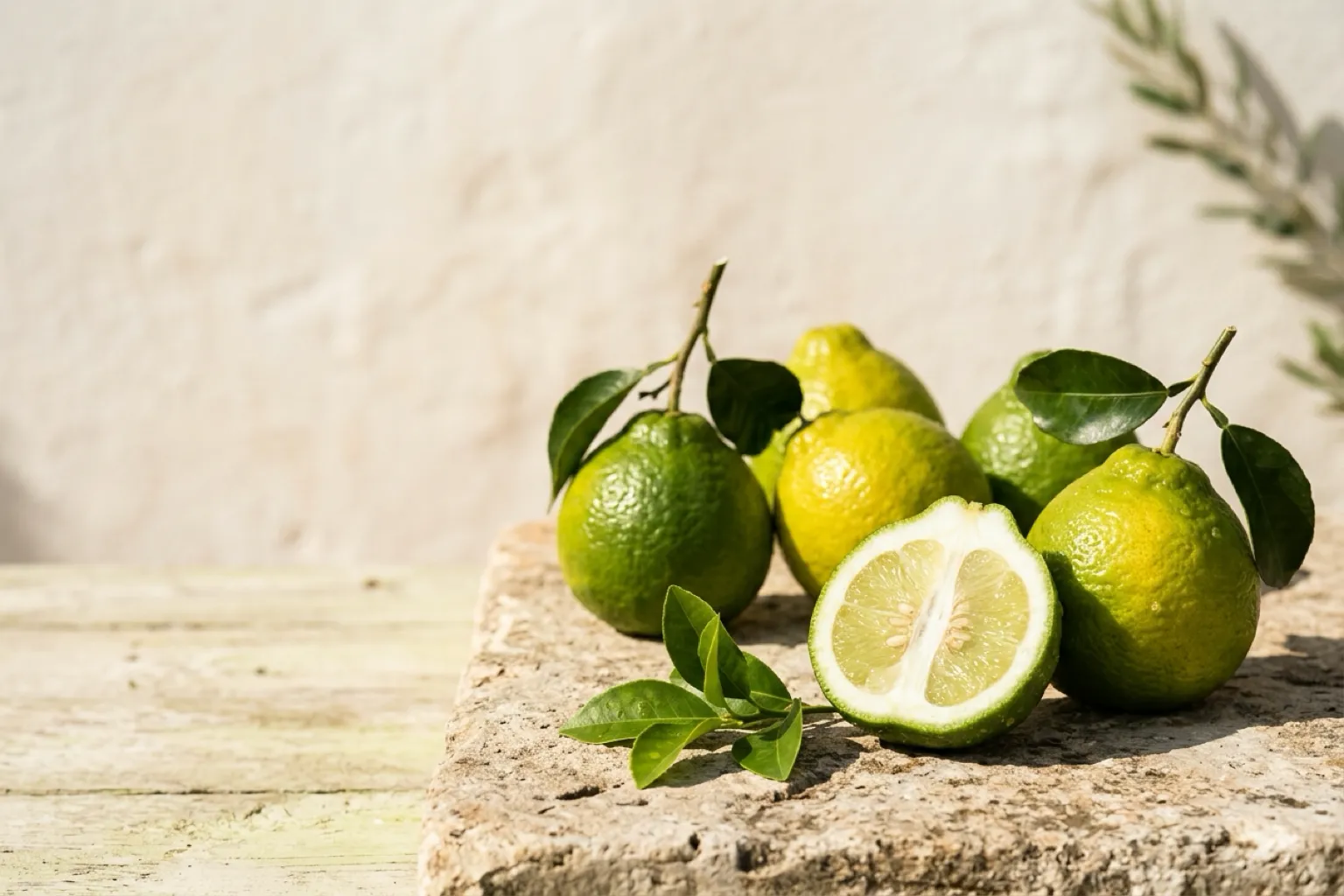
Bergamot is a small, sour citrus fruit grown almost entirely along the coast of Calabria in southern Italy. Most people know it as the scent in Earl Grey tea, which comes from the oil in the peel. The supplement is something different: an extract of the fruit’s juice and pulp, concentrated for its flavonoids, mainly neoeriocitrin, naringin and neohesperidin.
Those flavonoids are the reason anyone studies it for cholesterol. The proposed mechanisms, drawn largely from cell and animal work, include nudging the liver’s cholesterol production down and activating AMPK, an enzyme that shifts cells toward burning fat. The human question is whether any of that shows up in a blood test.
ApoB is the blood test that matters most here. Every LDL particle, and every other particle that can lodge in an artery wall, carries exactly one apolipoprotein B molecule. Counting ApoB counts the particles, which is why many cardiologists now prefer it to LDL cholesterol alone.
The Science: Does Citrus Bergamot Lower ApoB?
Most bergamot trials measured LDL cholesterol and stopped there. Only a few measured ApoB directly, so the honest way to read the evidence is to start with the big pooled picture and then look at the small number of trials that counted particles.
The meta-analysis: a big number on weak foundations
- The Evidence: A systematic review and dose-response meta-analysis published in 2026 pooled nine randomized controlled trials with 615 participants. Bergamot was associated with lower LDL cholesterol (about 39.5 mg/dL), lower total cholesterol and lower triglycerides (WMD -52.47 mg/dL, 95% CI -66.09 to -38.86), along with a rise in HDL of about 5.6 mg/dL. The authors described the improvements as modest, rated most of the trials poorly on risk of bias, and judged the certainty of evidence low to very low for every outcome. They also noted that adverse event reporting was limited and that the short trials could not establish long-term safety.
- Read the study: Bergamot (Citrus bergamia) Supplementation and Cardiovascular Disease Risk Factors: A Systematic Review and Dose-Response Meta-Analysis
Two things drag that 40 mg/dL figure down to earth. Many of the pooled products combined bergamot with other ingredients, so the result cannot be credited to bergamot alone. And much of the bergamot literature comes from a small circle of Italian research groups, often testing proprietary extracts made in the same region. That does not make the results false. It does mean the evidence has not yet been replicated by people with no stake in the fruit, which is exactly what low certainty is warning you about.
A bergamot-only extract that lowered ApoB
- The Evidence: A double-blind, placebo-controlled randomized trial gave 50 moderately hypercholesterolemic adults either 400 mg a day of a standardized bergamot extract (Brumex) or placebo for 12 weeks. Compared with placebo, the extract improved the plasma lipid pattern, including LDL cholesterol and ApoB, and also improved liver enzymes. The same paper included cell work showing the extract activated AMPK in liver cells.
- Read the study: Effect of Citrus bergamia extract on lipid profile: A combined in vitro and human study
This is the cleanest ApoB evidence there is, because the capsule held bergamot and nothing else. It is also one trial of 50 people lasting three months. That is a reason to take the idea seriously, and nowhere near enough to call the question settled.
The 16 percent figure came from a blend
- The Evidence: A three-arm, double-blind, placebo-controlled trial in adults with high cholesterol tested a tablet that combined a bergamot flavonoid complex with prickly pear extract, plant sterols and thiamine, at two doses, for 12 weeks. The abstract reports ApoB fell about 16 percent, significant against both baseline and placebo, alongside lower LDL cholesterol, fasting glucose and liver enzymes.
- Read the study: Comparative effect of a nutraceutical compound based on a flavonoid complex from bergamot on plasma lipids, glucose metabolism, and liver enzymes
Sixteen percent is the most quotable ApoB number in the bergamot literature, and it did not come from bergamot alone. Plant sterols lower LDL on their own, so there is no way to tell from this trial how much of the drop belongs to the fruit. If you see that figure attached to a plain bergamot capsule, someone has borrowed it.
The phytosome trial, which is the closest match to this product
- The Evidence: A randomized, placebo-controlled trial gave 64 overweight adults with mild hypercholesterolemia a bergamot phytosome, two 500 mg tablets a day, or placebo for 12 weeks. After 30 days, total cholesterol, LDL cholesterol and visceral fat fell significantly more than on placebo. ApoB also fell within the bergamot group (p = .04), though that is a before and after comparison inside one arm rather than a win over placebo. HDL and triglycerides did not change significantly.
- Read the study: Bergamot phytosome improved visceral fat and plasma lipid profiles in overweight and obese class I subject with mild hypercholesterolemia: A randomized placebo controlled trial
A phytosome binds the plant extract to phospholipids to help it absorb, and it is the format of the product here. That makes this trial the most relevant one for anyone buying it, and also the one where the ApoB signal is weakest. Most of the other bergamot trials used different extracts, so their results should not be assumed to transfer.
A Practical Guide: How to Use It
Start with who this is for. If your ApoB or LDL is high enough that your doctor wants to treat it, it is high enough for a drug with outcome data. Statins and the other prescription options have large trials showing fewer heart attacks and strokes. Bergamot has small trials showing changes on a blood test and no outcome trials at all. The same logic runs through the soft plaque story behind aged garlic extract: a real but narrow finding is not a substitute for treatment that has been proven to prevent events.
The reasonable use case is someone with mildly elevated lipids, no indication for medication yet, who wants to try a dietary lever and will actually check the result. For that person, the plan is simple.
Get a baseline lipid panel, and ask for ApoB on it. Take the dose the relevant trial used: the phytosome study gave 500 mg twice a day, which is double the one capsule a day that many labels suggest. Take it with food. Then retest in 8 to 12 weeks under the same conditions as the first test, since the trials saw changes within 30 days to three months. If ApoB has not moved, stop paying for it. If it has, you have evidence about your own body, which is worth more than any average in a meta-analysis.
Safety and Advice
In the trials, bergamot extract was generally well tolerated, and the meta-analysis found liver enzyme changes mostly nonsignificant. The catch is that the trials were short and adverse event reporting was thin, so the honest statement is that nothing alarming has shown up in three months of use, not that long-term safety has been established.
If you already take a statin or another lipid-lowering drug, talk to your doctor before adding bergamot, both because the combination has not been well studied and because your doctor should know what is behind any change in your numbers. Pregnancy, breastfeeding and liver disease are reasons to check first. This is the same caution that applies to any heart-marketed supplement built on a thin evidence base, including the nattokinase dose that traces back to a single study.
The Bottom Line
Citrus bergamot may lower ApoB a little. The best evidence is a single 50-person trial of a bergamot-only extract, the most famous ApoB number came from a blend that included plant sterols, and the pooled LDL figure that sounds statin-sized was graded low to very low certainty by the people who calculated it. If your ApoB needs treating, see your doctor about a medication with outcome data. If your lipids are only mildly raised and you want to experiment, test ApoB first, take 1,000 mg a day of the phytosome for 8 to 12 weeks, retest, and let the result decide.
This article is for educational purposes only and is not medical advice. Supplements can interact with medications and health conditions, so talk to a qualified healthcare provider before starting anything new.
Common questions
Does citrus bergamot lower ApoB?
A few small randomized trials report that it does, by roughly 16 percent in one of them, but only a handful measured ApoB directly and one of those tested a blend with plant sterols. Treat it as a plausible effect that has not been confirmed by large, independent trials.
How much citrus bergamot should I take?
The phytosome trial used 500 mg twice a day, so 1,000 mg in total, and other trials used different extracts at different doses. Many shelf products suggest only one 500 mg capsule a day, which is half of what was tested.
Can citrus bergamot replace a statin?
No. Statins have large outcome trials showing fewer heart attacks and strokes. Bergamot has small trials on blood lipids and no outcome data at all. If your doctor says your ApoB needs treating, bergamot is not the treatment.
How long does citrus bergamot take to work?
In the trials, lipid changes showed up within 30 days to 3 months. Retesting your lipids, ideally including ApoB, after 8 to 12 weeks tells you whether it is doing anything for you.